

The chemical that spilled into a major West Virginia river last week forced about 300,000 people in Charleston and surrounding areas not to use their tap water over several days for drinking, cooking, bathing or washing clothes or anything else. Having to use bottled for many daily tasks has no doubt been an inconvenience, and a handful of West Virginians have been treated for mild, flu-like symptoms after being exposed to the chemical in the water.
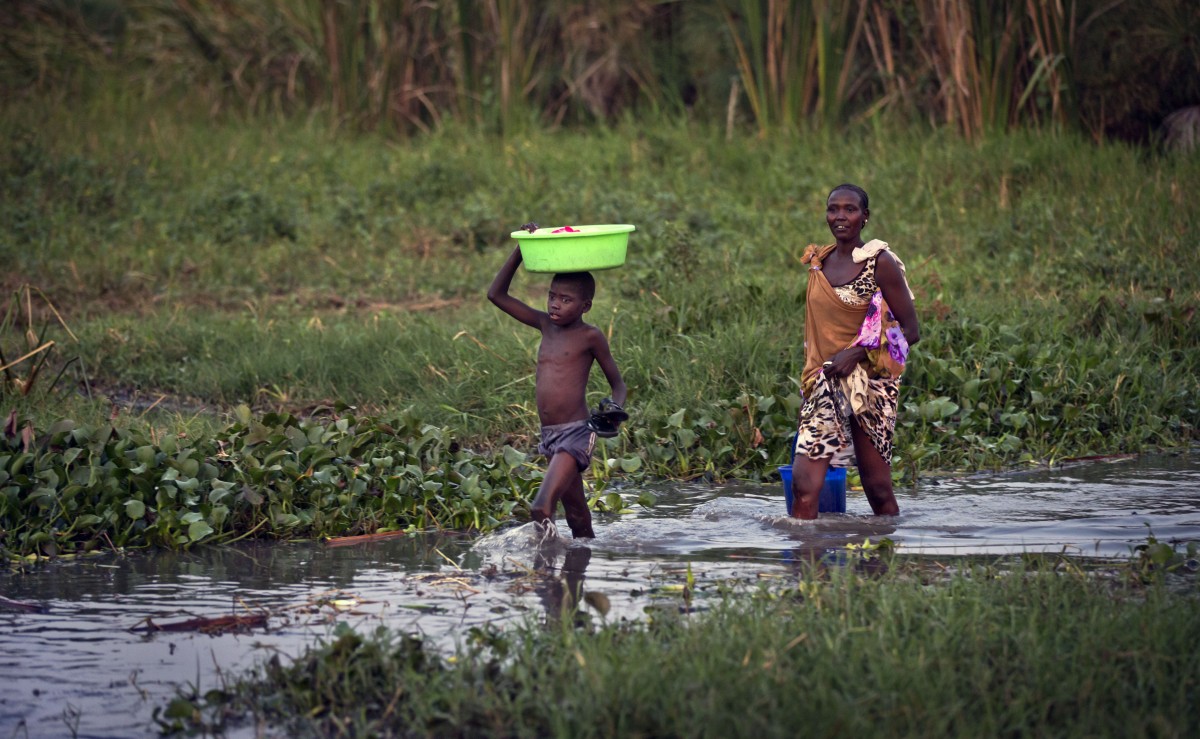
For many people around the world — especially in sub-Saharan Africa and south Asia — a lack of access to clean water is a fact of everyday life. Here is a snapshot of access to safe drinking water and sanitary conditions worldwide, according to the World Health Organization and UNICEF’s Joint Monitoring Programme, which used data gathered in 2011:
- -An estimated 768 million people were using drinking water sources that weren’t adequately protected from outside contamination, particularly from fecal matter, and 185 million used surface water (from lakes, rivers, streams or oceans) for daily drinking.
- -2.5 billion people, or about 36 percent of the world’s population, did not have access to a bathroom that hygienically separated human waste from human contact, say by flushing. Of those, 761 million used public facilities and 693 million used facilities that didn’t meet minimum hygiene standards.
- -Diarrhea was the leading cause of illness and death in the world, and the majority of diarrhea-related deaths resulted from a lack of access to bathrooms, as well as unsafe drinking water and insufficient access to clean water for hygiene.
- -There were 45 countries, mostly in sub-Saharan Africa and south Asia, where fewer than 50 percent of the people have access to bathrooms equipped to hygienically separate human waste from human contact.