

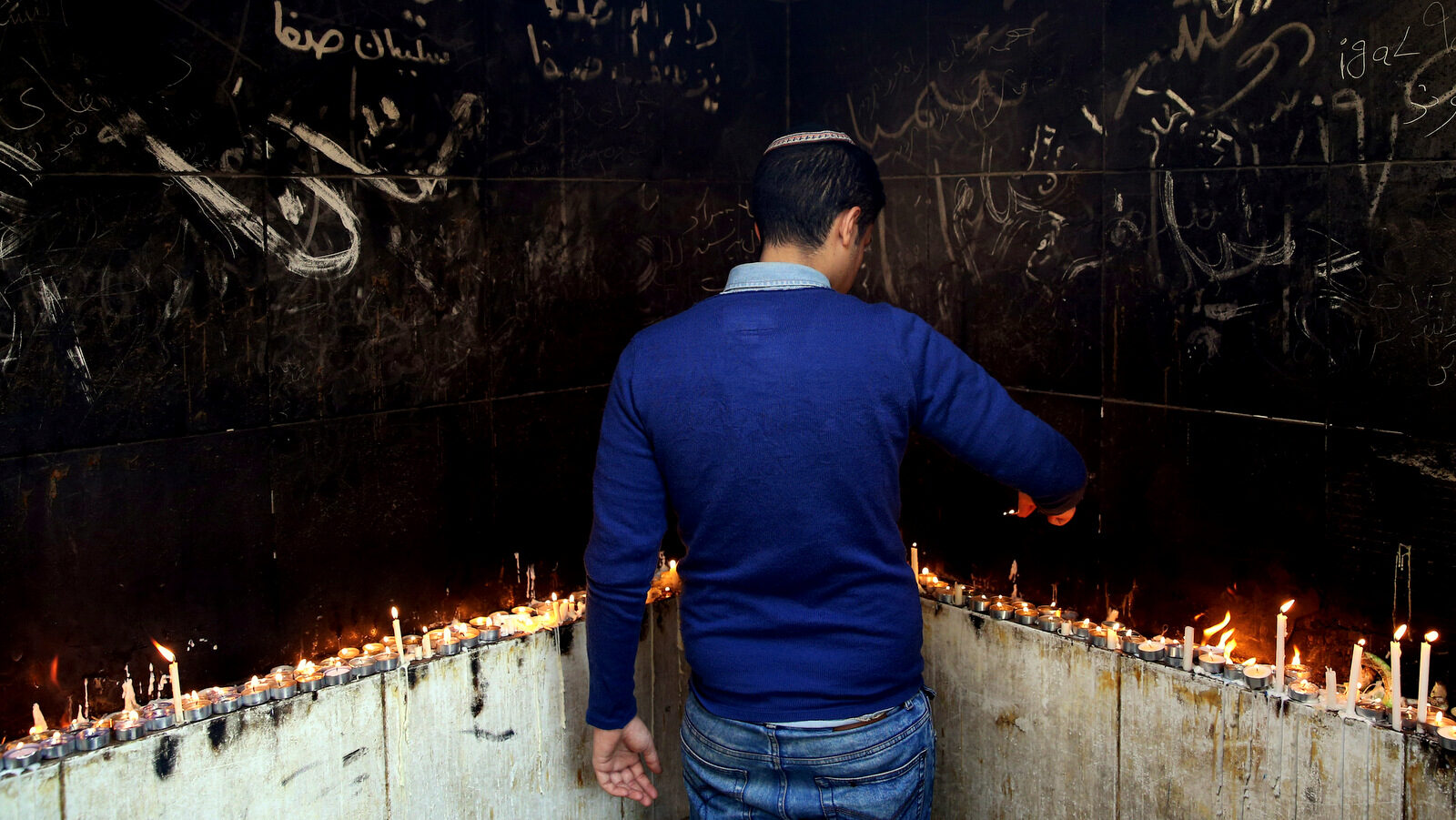
TEHRAN — Millions of Iranians, including many from the nation’s Jewish minority, went to the polls on Feb. 26 to decide their next government.
After the Israeli news agency Haaretz published a photo essay of election day in a Tehran synagogue that doubled as a polling place, one conservative Israeli-American journalist used it as an opportunity to compare Jewish Iranians to animals in a petting zoo.
“Totally spontaneous scenes from a Tehran petting zoo,” Goldberg tweeted on Feb. 28, with a link to the Haaretz article.
https://twitter.com/JeffreyGoldberg/status/703951114677440513
Goldberg is a neoconservative staff journalist at The Atlantic, and a well-known Zionist once referred to by the New York Review of Books as “the most influential journalist/blogger on matters related to Israel.” In an April 2015 report for The Atlantic, he echoed Israeli Prime Minister Benjamin Netanyahu in arguing that Jews should leave Europe and emigrate en masse to Israel.
After receiving criticism from other Twitter users, Goldberg clarified his position in subsequent tweets. “Yes, the country’s remaining Jews are treated as pets on public display by the anti-Semitic ruling regime,” he told Suzanne Maloney, an Iran analyst at Brookings Institution, in one tweet, then added, “I’m not demeaning Iran’s persecuted Jews. I’m demeaning the people who treat them like regime pets.”
Writing for Mondoweiss on Wednesday, Danielle Kamal, a writer and researcher who studies American and Middle Eastern diplomatic history, suggested that Goldberg’s reaction can be linked to Israel’s opposition to warming relations between Iran and the United States.
“Goldberg’s condescending and arguably racist characterization of Iran’s Jewish community underlines his desperation to undermine the recent American-Iranian rapprochement,” Kamal wrote, noting that Iran’s Jewish population has “eagerly welcomed” the Iran deal.
While Israel is frequently praised for upholding democratic values in the Middle East, Iran’s recent elections seem to be a sign of democratic wheels turning in that nation. According to Shahir Shahidsaless, a political analyst writing for Middle East Eye, “34 million of 55 million eligible Iranian voters” participated in last month’s elections. The group which gained the most seats in the country’s parliament represents a coalition of “Moderates (also known as pragmatists), reformists, and moderate conservatives” who allied together around the “rejection of radicalism.” They took 83 seats compared to 78 won by the conservative coalition. (Another 60 seats went to independents, five to religious minorities, and the remaining 64 seats will be decided in a second round of voting.)
Prior to the 1979 Islamic Revolution, Iran was home to at least 100,000 Jews, but by the 2011 census, only about 8,700 remained. However, they remain fiercely loyal to their nation and see themselves as active participants in society. Ciamak Morsadegh (alternately spelled Siamak Moreh Sedgh), the lone Jewish member of Iran’s parliament, told Washington Post’s Jason Rezaian in 2013: “We are not tenants in this country. We are Iranians, and we have been for 30 centuries.”
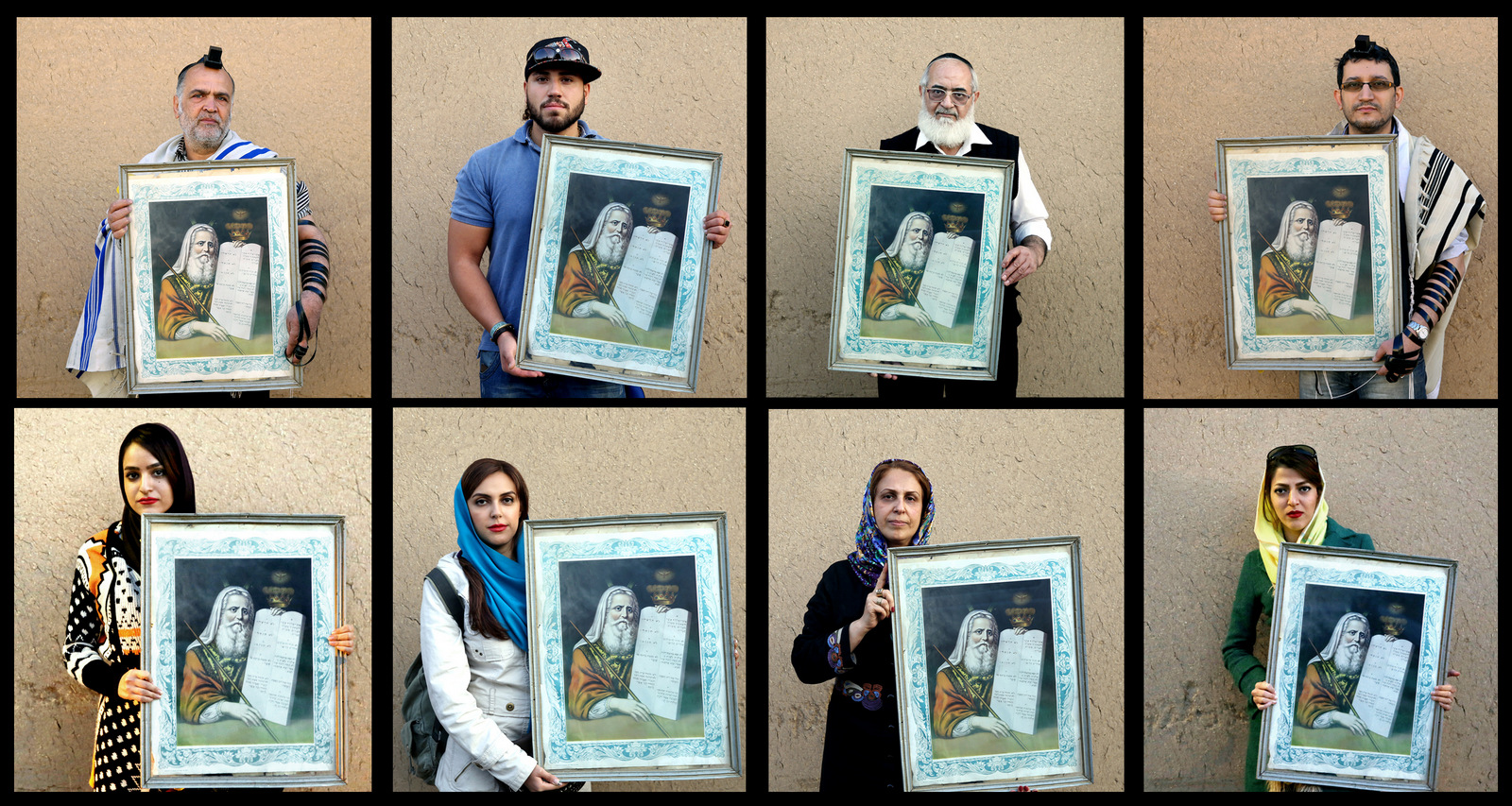
In an Aug. 7 Global Post report linked in Kamal’s analysis, Reese Erlich reported that Iran’s Jews celebrated the Iran deal and the subsequent lifting of sanctions:
“‘There was lots of joy for us,’ said Horiel, a Jewish customer who declined to give his last name. ‘It was not only the Jewish community that was happy. The nation was happy.’”
Overall, Jewish Iranians are outspoken in their support for their homeland and opposition to Israel’s imperialist ambitions and occupation of Palestine. In July, Haroun Yashayaei, a leader in Tehran’s Jewish community, called Netanyahu “delusional” for opposing the Iran deal.
And Ladane Nasseri, writing in October for Bloomberg Business, noted that, like other Iranians, the country’s Jews supported the Iran deal because it would breath new life into the country’s struggling economy.
Flora Tavakoli, a Jew Nasseri interviewed in a synagogue in Tehran, explained:
“We are Iranian first and foremost so all the economic pressure facing Iranians is also felt by us … [If] relations with the West improve, doors open to foreign investors, it will also positively impact our community.”